If you are thinking about selling on Bald Head Island, your timeline may need to start sooner than you expect. Between ferry scheduling, island transportation, bulk-item removal rules, and the added prep that coastal homes often need, listing a property here is not the same as putting a mainland home on the market. A thoughtful plan can help you protect your time, present your home well, and avoid last-minute stress. Let’s dive in.
Start Early on Bald Head Island
Selling on Bald Head Island involves a different rhythm. The Village notes that there are no passenger cars on the island, and residents and visitors get around by bicycle, electric cart, tram, and on foot. Since the ferry departs from Deep Point Marina and reservations are recommended well in advance, even simple tasks like vendor visits, showings, and cleanout days take more coordination.
That matters most in the early stages of preparation. If you wait until your ideal list date is close, you may find yourself trying to book contractors, ferry seats, staging help, or photography during a busy stretch. Starting early gives you more control and a calmer path to market.
Build a Smart Prep Timeline
A mainland-style countdown often feels too compressed for Bald Head Island. Between weather, transportation, and vendor availability, it helps to spread the work out over several months.
9 to 12 Months Before Listing
Begin with a full walk-through of your property. Make a list of repairs, maintenance items, moisture concerns, and exterior updates that may need attention before your home is photographed or shown.
This is also the right time to gather your paperwork. North Carolina requires a Residential Property and Owners’ Association Disclosure Statement for most covered residential sales, and that form must be provided to the buyer before any offer. The state also requires a separate mineral and oil-and-gas rights disclosure for covered transfers, so getting organized early can save time later.
6 to 9 Months Before Listing
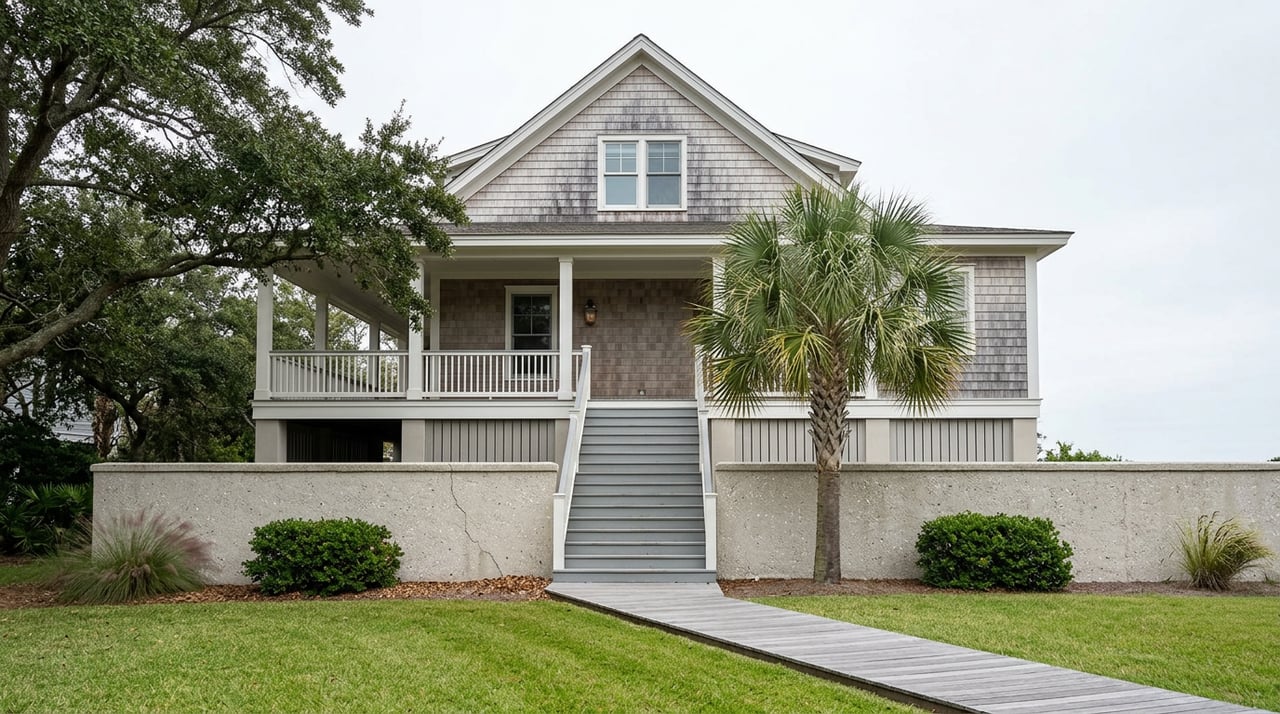
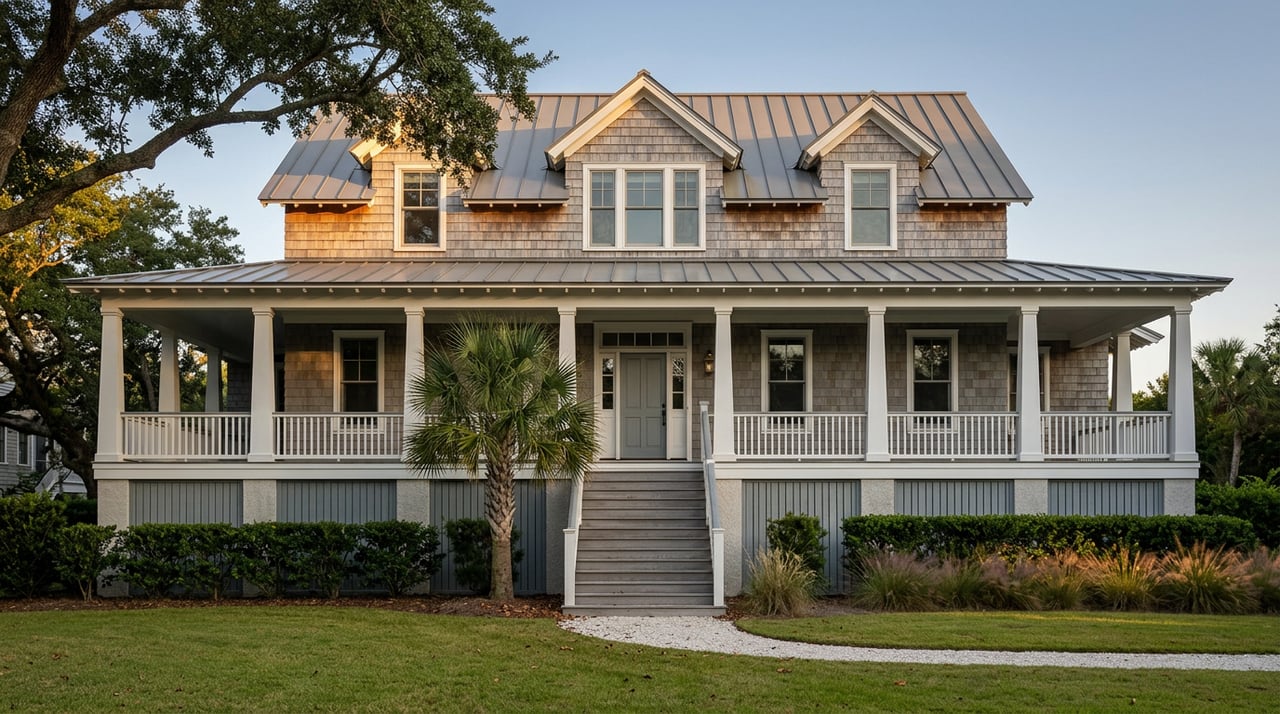
Focus next on larger repair items and exterior presentation. If your home needs repainting, deck work, roof-related attention, or landscaping refreshes, this is often the best window to handle them before schedules tighten.
This timing is especially useful on the coast. NOAA states that Atlantic hurricane season runs from June 1 through November 30, and North Carolina Emergency Management encourages residents to prepare before the season begins. For sellers, that makes early completion of exterior and moisture-related work a practical advantage.
3 to 6 Months Before Listing
This is the stage for decluttering, staging, and visual marketing prep. The goal is to make your home feel clean, calm, and easy for buyers to picture as their own.
The National Association of Realtors reported in 2025 that 83 percent of buyers’ agents said staging makes it easier for buyers to visualize a property as a future home. That matters on Bald Head Island, where buyers are often evaluating not only the house itself, but also the lifestyle and sense of place.
30 to 60 Days Before Listing
As your list date gets closer, focus on final logistics. Confirm ferry plans for any remaining vendors, schedule bulk-item removal, and recheck your disclosure file for anything that has changed.
This last step is important in North Carolina. The North Carolina Real Estate Commission says that if something happens that makes a disclosure inaccurate, the owner must update it. A well-managed file helps you stay ready.
Plan Around Island Logistics
On Bald Head Island, logistics are part of seller prep, not an afterthought. That is one of the biggest differences between this market and a typical coastal mainland sale.
The Village provides water and sewer for the island, and household trash follows a set pickup schedule. Trash pickup is twice weekly between Memorial Day and Labor Day and once weekly during the rest of the year, while furniture, appliances, and mattresses require separate handling or pickup. If you are clearing out a long-held second home or a property with oversized furnishings, that process can take longer than expected.
Some oversized items may need to go through the warehouse at Deep Point Marina, be barged over, and then delivered to the property. That makes pre-listing decluttering something to begin early, especially if you want the home to feel open and polished by the time photography begins.
Focus on Clean, Coastal Presentation
Buyers notice presentation quickly, especially online. On an island property, the visual first impression often carries even more weight because many buyers may begin their search from a distance.
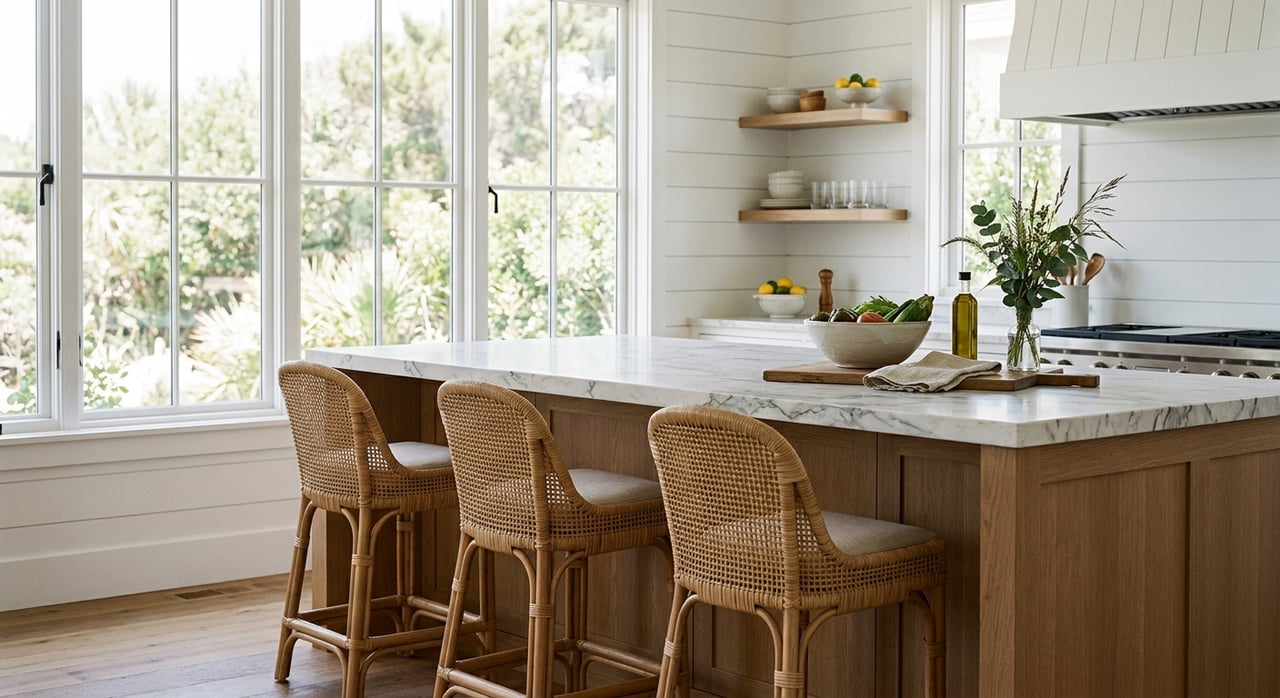
A strong Bald Head Island presentation usually feels airy, lightly edited, and well cared for. Neutral paint, fresh bedding and towels, reduced personal items, and partially filled closets can help a home read more clearly in person and in photos. Cleanliness also matters more than many sellers realize, since it directly affects how cared-for the property feels.
Stage the Rooms That Matter Most
If you are deciding where to focus your effort, start with the main living areas. According to the National Association of Realtors, the living room, primary bedroom, and dining room are among the most commonly staged spaces.
These rooms often shape a buyer’s emotional response to the home. On Bald Head Island, they also help tell the story of relaxed coastal living, whether that means a bright great room, a serene bedroom retreat, or a dining space that feels ready for easy gatherings.
Make Outdoor Spaces Read Clearly
Outdoor living is a major part of the island experience. Porches, decks, entry areas, and landscaping should feel intentional and easy to understand in both photos and showings.
That does not mean adding excessive decor. It means clearing clutter, cleaning surfaces, arranging furniture simply, and helping each outdoor area feel usable. Buyers should be able to see how the spaces connect to the home and support everyday island living.
Address Moisture Before You List
Moisture control is one of the most important parts of preparing a coastal property for market. Even a beautiful home can lose momentum with buyers if it feels damp, smells musty, or shows signs of mildew.
The EPA says indoor humidity should ideally stay around 30 to 50 percent and below 60 percent, because higher humidity can encourage mold growth. The North Carolina Department of Health and Human Services notes that common moisture sources include high indoor humidity, plumbing leaks, structural leaks, and HVAC issues.
Before listing, check the home carefully for damp areas, stale odors, visible mildew, and maintenance issues tied to moisture. Running dehumidifiers where needed, servicing HVAC systems, and correcting leaks can help your home feel fresher and better maintained.
Gather Documents Before Buyers Ask
A well-prepared seller file helps create confidence. It also reduces delays once your home is on the market and buyers begin asking questions.
Organize North Carolina Disclosures
For most covered residential sales in North Carolina, the Residential Property and Owners’ Association Disclosure Statement must be given to the buyer before any offer. The revised form includes more detailed flood questions, which makes early preparation even more important for coastal sellers.
You should also be ready with the separate mineral and oil-and-gas rights disclosure required for covered transfers. Since disclosures must be updated if new material facts arise, it helps to keep signed copies and any later revisions in one organized place.
Pull Association Records
On Bald Head Island, association paperwork deserves early attention. Bald Head Association identifies its covenants as the most comprehensive and important governing document, and it manages architectural review and community-wide standards.
Before listing, gather current covenants, dues statements, assessment notices, architectural approvals, and any transfer-related association paperwork. Buyers often want clarity on these items early in the process.
Keep Permit and Project Records Ready
If you have completed additions, remodels, roof work, deck work, or other visible improvements, your records should be easy to produce. The Village contractor handbook states that after property owners’ association approval, construction on Bald Head Island must be inspected and permitted through the Village.
Having permits, approvals, and project invoices in one place can help answer questions quickly. It also supports a smoother transaction when buyers want a clear picture of the property’s history.
Include Flood and Insurance Information
Flood-related records are especially relevant on Bald Head Island. The Village notes that it participates in the National Flood Insurance Program’s Community Rating System, and FEMA Flood Insurance Rate Maps are the official maps for Special Flood Hazard Areas.
If available, keep your flood insurance declarations, elevation certificate, and records of past flood-related repairs or claims together with the rest of your file. Clear documentation can help buyers understand the property more confidently.
Save Maintenance Records Too
Routine service records are easy to overlook, but they matter. HVAC invoices, roof work receipts, plumbing repairs, and moisture-control service records can all help demonstrate care and consistency.
In a market where many buyers are purchasing from afar or evaluating a second home, organized maintenance history can make your home feel more transparent and easier to assess.
Why Thoughtful Prep Pays Off
Preparing a Bald Head Island home for sale is not just about cleaning up and taking photos. It is about coordinating timing, access, records, repairs, and presentation in a market with very specific local logistics.
When you begin early, you give yourself room to make better decisions. You also create a listing that feels polished, well-managed, and ready for serious buyer attention.
If you are considering a sale and want a steady, strategic plan tailored to island logistics, local presentation, and the details that matter most, Stephanie Blake can help you prepare with clarity and confidence.
FAQs
What makes preparing a Bald Head Island home different from preparing a mainland home?
- Bald Head Island requires more planning because there are no passenger cars on the island, ferry reservations should be made in advance, and vendor access, cleanouts, and showings often need to be coordinated around ferry and tram logistics.
When should you start preparing to sell a Bald Head Island home?
- A practical timeline is to begin 9 to 12 months before listing so you have time to identify repairs, gather disclosures and records, complete exterior and moisture-related work, and schedule decluttering, staging, and photography.
What documents should you gather before listing a Bald Head Island property?
- You should organize North Carolina disclosure forms, association covenants and dues information, architectural approvals, permit records, flood insurance documents, elevation certificates if available, and maintenance invoices for major systems and repairs.
Why is moisture control important when selling a Bald Head Island home?
- Coastal humidity can contribute to mold, mildew, and musty odors, so buyers often respond better to homes that feel dry, fresh, and well maintained, with any leaks or HVAC issues addressed before listing.
How should you stage a Bald Head Island home for sale?
- A strong approach is to create a clean, airy, lightly furnished look with neutral finishes, reduced personal items, refreshed bedding and towels, and clear, usable indoor and outdoor spaces that photograph well and feel easy to enjoy.