By late August the beach crowd has thinned, the ferry manifests have loosened, and the water off East Beach has warmed to the point where finger mullet start pushing south along the surf. For residents who fish, this is the beginning of the island's best six weeks of the year. The summer story on Bald Head Island is turtles, sunscreen, and shared beach umbrellas. The fall story is different, and it runs on a different map.
Most guides treat Bald Head Island as a summer beach with fishing as a footnote. The reverse is closer to the truth. The same no-car geography that concentrates summer visitors near the beach clubs turns into a genuine advantage in October, when the shoals at Cape Fear and the marsh behind Federal Road become one of the least-crowded serious surf and inshore fisheries on the North Carolina coast.
What Runs When
The fall calendar on the island is layered. Bait moves first, then the predators arrive, then the water cools and the mix shifts again.
| Window | What's happening in the water | Where it shows up |
|---|---|---|
| Late Aug – mid Sep | Finger mullet begin pushing along the surf; Spanish and bluefish follow | West Beach, marina rocks |
| Mid Sep – early Oct | Slot red drum in the creeks; flounder holding on structure | Bald Head Creek, marina jetty |
| Mid-autumn full moon | Bull red drum move nearshore to spawn and stage | The Point at Cape Fear, East Beach shoals |
| Late Oct – Nov | Speckled trout light up in the marsh; pompano and sea mullet peak in the surf | Creek edges, East Beach between accesses 39–42 |
| Late Nov onward | Water cools; reds and trout dominate the back creeks | Bald Head Creek, Cape Creek |
None of these windows are hard boundaries. A warm week in November will still hold Spanish off the west side, and a cold snap in early October will move trout into the creeks two weeks ahead of schedule. But if you fish the island once a week through the fall, you will see the sequence.
The Point Is a Different Place After Labor Day
The southeastern tip of the island, where the Cape Fear River meets the Atlantic, gets fished lightly all summer because casual visitors don't walk the roughly 300-yard sand path to reach it. In October it becomes the reason serious anglers own carts.
Cape Fear Point has been compared, in surf-fishing circles, as second only to Hatteras for its red drum fishing. That comparison is a summer-into-fall assessment, and it holds. The best bite for large drum, according to anglers who fish the shoals regularly, comes during the mid-autumn full moon or any evening in October to early November. Standard fishfinder rigs, fresh cut mullet, and heavy enough gear to hold bottom against the current running out of the river are the working setup.
A note on regulation that surprises people who moved here from the Gulf or the Chesapeake: those bull reds at The Point cannot come home with you. It is unlawful to possess red drum greater than 27 inches total length in North Carolina, and the recreational limit is one fish per day inside the 18-to-27-inch slot. The trophies get photographed at the water's edge and released. The keepers come out of the creek.
The Creek Side Is Where Dinner Comes From
Bald Head Creek and the marsh behind Federal Road hold the fish that end up on the grill. This is where the island's geography works quietly in a resident's favor: the only public bank access to the creek for surf-style fishing is access #1 at the north end of the island near the mouth of Bald Head Creek, which means the pressure is thin and the fish are mostly hit from kayaks launched at Village Creek Access.
At low tide, walk the creek edge and look for deep holes near oyster beds. Drop a bottom rig with shrimp, cut bait, or a fiddler crab, and the mixed bag typically includes croaker, spot, flounder, trout, and both red and black drum. At high tide, work grubs, Mirrolures, and topwater plugs along the marsh grass edges. The marina jetty deserves its own mention. Live mullet under a float, cast over the riprap at the mouth of the marina at high tide, is one of the more reliable ways to put a slot red in the cooler when the ocean is blown out.
Fall red drum in the creeks behind Bald Head Island are productive enough that state biologists call them out by name. Those targeting red drum will find the bays and creeks behind Bald Head Island productive, according to N.C. Division of Marine Fisheries reporting on the region.
The Mullet Run Is the Whole Engine
Everything worth catching in September and October is downstream of the mullet run. Finger mullet stack in the surf and push south along the beach, and every predator in the system organizes itself around the movement. Surf fishing at The Point in the fall can be a lot of fun and a lot more species than what you think will show up there, especially during the mullet run. Bring oversized gear and don't be afraid to use artificials. That advice, from a regular on the shoals, translates: use heavy-enough tackle to land a 40-inch drum on a bait meant for a bluefish, because both are in the same water.
The bait itself is the other half of the story. A cast net is not optional gear on the island in September. Working the creek at low tide, or the mouth of the creek where it meets the Cape Fear, you can typically fill a bucket with fresh mullet in twenty minutes. Sand fleas along East Beach between accesses 39 and 42 hold most of the fall, and pompano hit them reliably from mid-October on.
The 2026 Rules a Resident Should Actually Know
North Carolina updated harvest reporting in the last calendar year, and a lot of people fishing here still don't know. Under the state's 2026 recreational rules:
- Red drum: One per day, 18-to-27-inch slot. Nothing over 27 inches may be possessed. Gigs, spears, and gaffs are prohibited.
- Flounder: Season open May 15–Sept. 30 and Oct. 10–Dec. 31, 15-inch minimum, six per day.
- Striped bass in the Atlantic: One per person per day and a harvest slot limit of 28 inches to 31 inches.
- Bluefish: Three fish per person per day in private recreational fisheries; up to five per day on for-hire vessels.
- Black drum: Ten per day, 14-inch minimum, one fish over 25 inches allowed.
The one that trips up returning fall anglers: effective December 1, 2025, any Red Drum, Flounder, Spotted Seatrout, Striped Bass, and Weakfish harvested must be reported through the state's Report My Fish system. Reporting is on the person who kept the fish, not the captain, not the outfitter. Full 2026 rules live at the NC Division of Marine Fisheries.
Anyone fishing coastal or joint waters here also needs a Coastal Recreational Fishing License. A charter takes care of it. Fishing off your own dock or from the beach does not.
The Practical Geography
The island rewards anglers who plan around the cart, the tide, and the walk more than around any specific spot. A few working assumptions from people who fish here often:
The Point is a 150-to-300-yard walk from the nearest cart pull-off, and there is no shortcut. A folding beach cart with balloon tires is the difference between a two-rod trip and a five-rod trip. Bring rod holders that spike into hard sand. The shoal current runs faster than most Atlantic beaches, and a light pyramid sinker will not hold once the tide starts moving.
East Beach shoals fish best on an incoming tide. West Beach and the marina rocks fish best on an outgoing tide with a live bait in the current seam. Bald Head Creek fishes almost anytime, but the last two hours of the outgoing and the first two of the incoming produce the most fish per hour of effort.
If you are new to the island, the Conservancy runs kayaking programs from Village Creek Access, including creek routes that double as scouting trips for future fishing days. The programs are worth taking even if you already own a kayak, because the guides will point out oyster beds and drop-offs that are invisible from the boat ramp.
Provisions and ice are easy. The Maritime Market on Maritime Way carries bait basics and enough tackle to replace a broken leader, and the hardware store next door stocks the rest. Prices are what you would expect on a barrier island. Bring what you can from the mainland, and buy the rest on the island without wincing.
A Quiet Homeowner Note
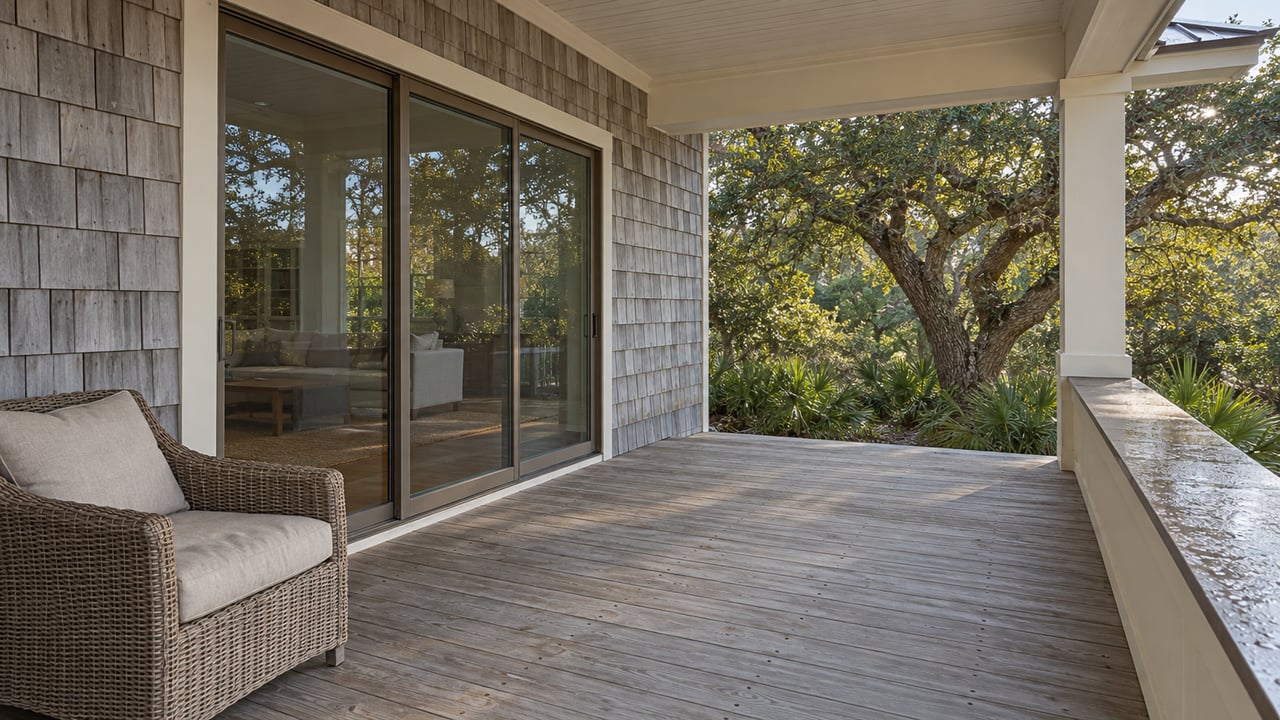
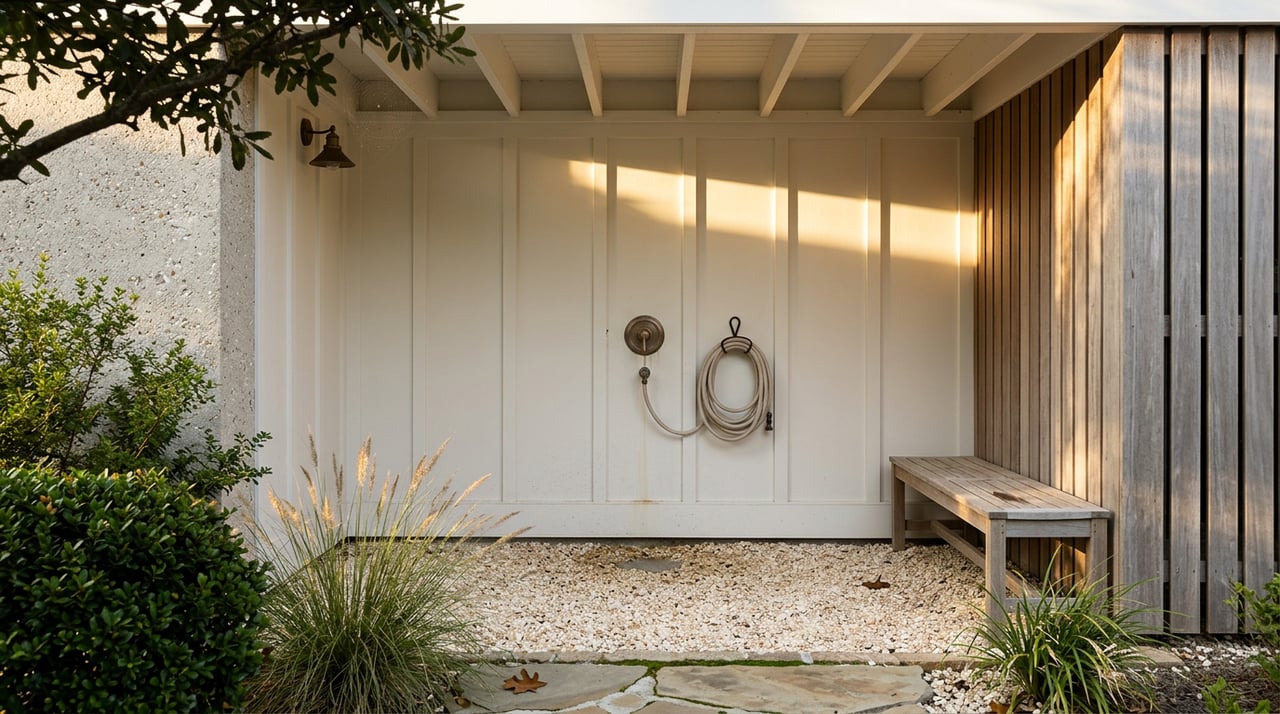
The fall fishing here is one of the reasons a certain kind of owner buys on Bald Head Island in the first place. It is also one of the parts of ownership that most sellers underweight when they prepare a home for market. A rod-rinse station, a cart bay with room for tackle, a screened porch where wet gear can dry without staining the wall — these are the details that catch a buyer who fishes, and they cost very little to add if you already know the buyer profile. If you are thinking about how your home reads to that kind of buyer, or how the Bald Head Island market is moving into the shoulder season, Stephanie Blake is happy to talk through it. Let's Connect.