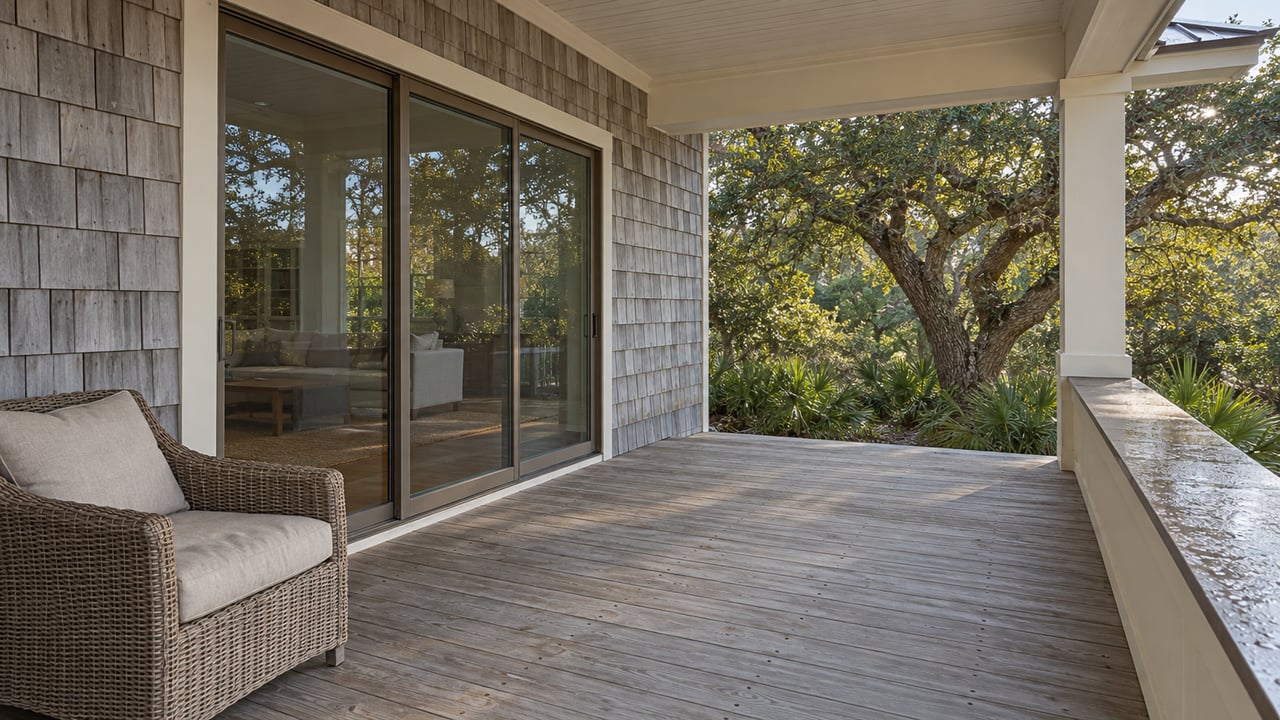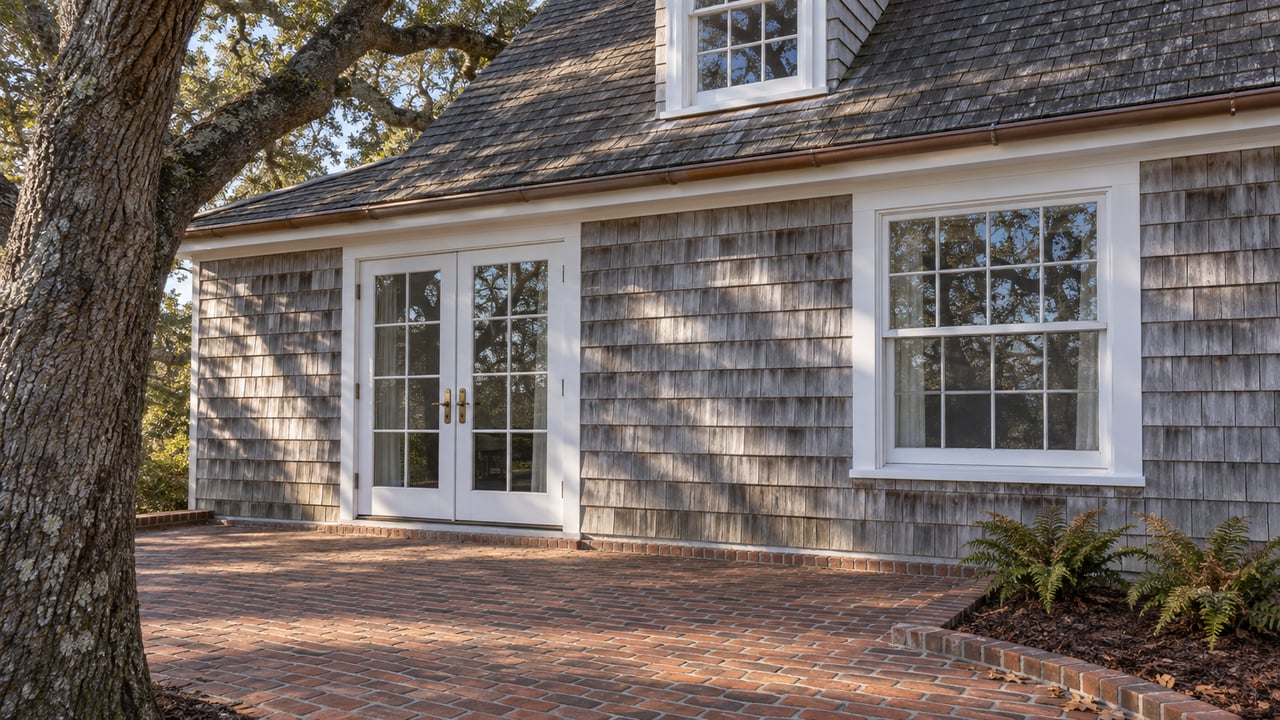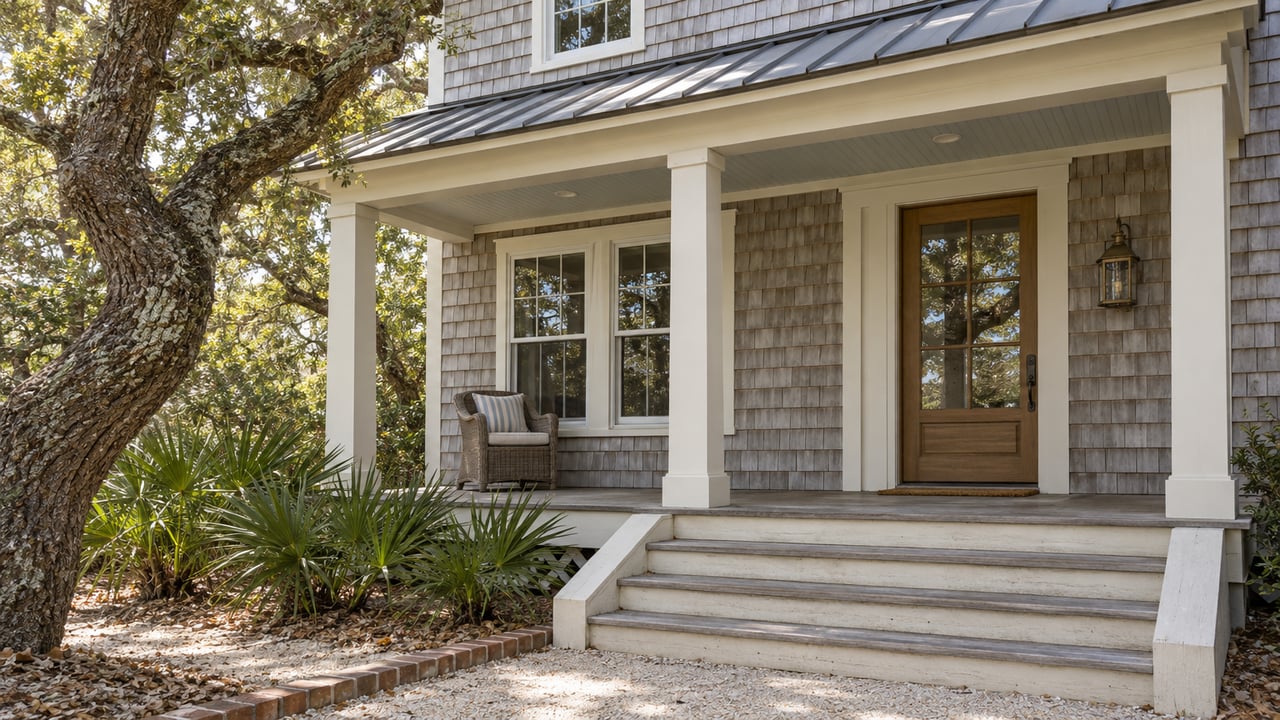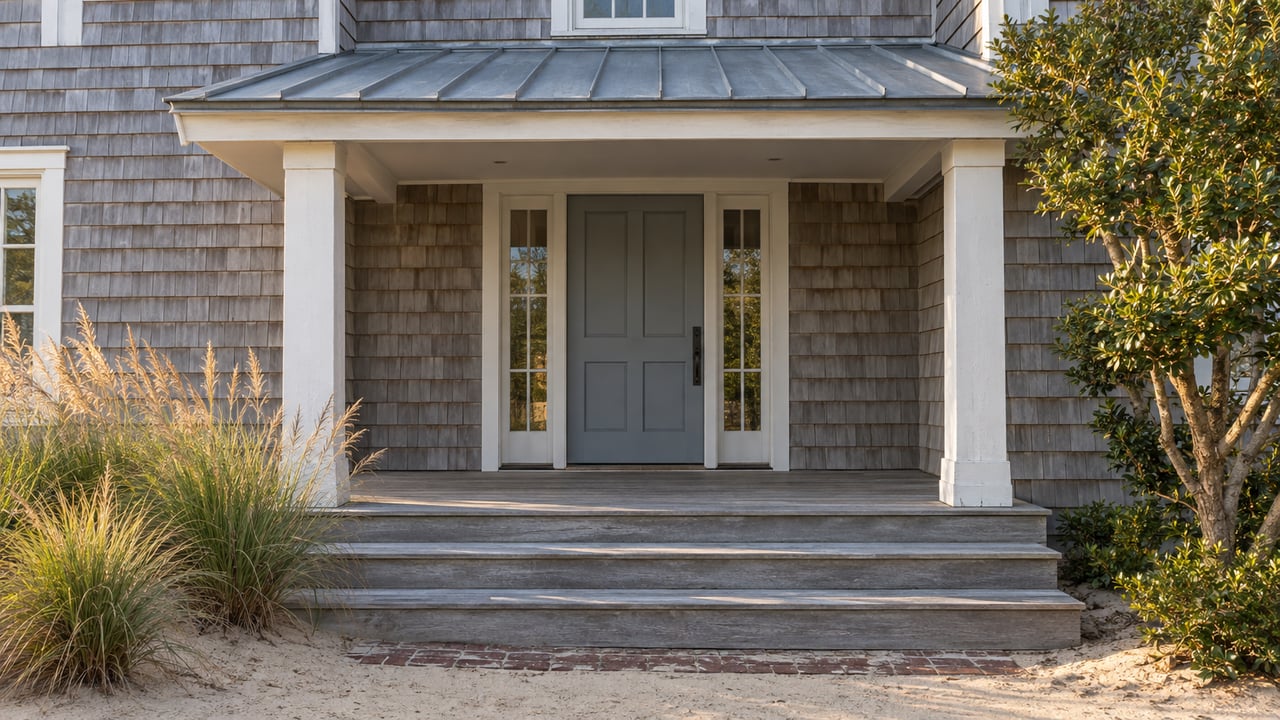
Dreaming about a second home where the pace slows down the moment you leave the mainland? Buying on Bald Head Island can be incredibly rewarding, but it also comes with a very specific set of ownership realities that are different from a typical beach-house purchase. If you are considering a second home here, understanding access, costs, memberships, insurance, and off-island management can help you buy with much more confidence. Let’s dive in.
Why Bald Head Island Feels Different
Bald Head Island is not a drive-up coastal market. It is a barrier-island community with no land bridge, and access is by passenger ferry or private vessel. That single fact shapes nearly every part of the ownership experience.
The island spans about 12,000 acres, including roughly 10,000 acres of beach, marsh, and maritime forest preserves. For many second-home buyers, that preserved landscape is a big part of the appeal. You are not just buying a home here. You are buying into a setting, a rhythm, and a lifestyle.
What Second-Home Life Looks Like
Life on Bald Head Island is intentionally slower and lighter on cars. The Village notes that the island-wide speed limit is 18 mph, and roads are shared by pedestrians, bicycles, golf carts, and limited vehicles. Gas-powered golf carts are prohibited on Village streets.
That creates a very different feel from many coastal communities. Daily movement is quieter, simpler, and more connected to the outdoors. If that sounds relaxing to you, Bald Head Island may be a strong fit.
Biking and Walking Matter Here
Biking is not just a vacation activity on Bald Head Island. It is part of how many people experience the island day to day. The official island site notes that there are more than 15 miles of roadway to ride, and island trails and nature walks add to that outdoor lifestyle.
For a second-home owner, that means your lifestyle decision goes beyond the house itself. You are also choosing how you want to spend your time when you are here.
Clubs Shape the Social Experience
Private clubs are an important part of the island experience for many owners. The Bald Head Island Club and Shoals Club offer membership-based amenities that may include dining, pools, fitness, and beach access.
At the same time, conservation also plays a visible role in island life. The Bald Head Island Conservancy focuses on barrier-island stewardship, wildlife education, and sea-turtle protection, which adds another layer to the community’s character.
The True Cost of a Second Home
The purchase price is only part of the equation on Bald Head Island. Recurring costs can look different here than they do in a mainland market, especially when you add ferry access, club membership, and insurance considerations.
If you are comparing this market to another coastal second-home option, it helps to build a full ownership budget before you make an offer.
Property Taxes Add Up Quickly
Brunswick County lists the county tax rate at 0.3420, Bald Head Island at 0.6507, and Smithville Township at 0.04, with additional BHI MSD district rates for some parcels. Based on the current tax table, a home assessed at $2 million works out to about $20,654 annually before any special district levy.
That makes tax due diligence especially important in the luxury segment. Before you move forward, confirm whether the specific parcel has any additional district-related tax exposure.
Ferry and Parking Are Part of Ownership
The ferry is part of daily life when you own on Bald Head Island. The ride is about 20 minutes, and general parking at Deep Point is $13 per day. Property owners can also purchase annual parking passes for general or premium lots.
These may not seem like major details at first, but they affect how easily you use the home. If you plan to visit often, ferry timing and parking arrangements should be part of your ownership planning.
Utilities and Trash Work on an Island Schedule
The Village provides water and sewer for the whole island, and bills are due on the 20th of each month. Trash service is coordinated through a Village contract using secured enclosures and a visible YES/NO sign system.
Pickup also changes by season. Trash is collected twice weekly between Memorial Day and Labor Day and once weekly the rest of the year. For second-home owners, these are small but important systems to understand before closing.
If You Plan to Rent the Home
Some buyers plan to offset ownership costs with short-term rental income. That can change the math, but it also adds operational and tax-reporting responsibilities.
The Village collects a 6% occupancy tax on gross rental fees for accommodations rented for less than 90 days. Owners responsible for this tax must also register with the North Carolina Department of Revenue and remit state sales tax on the same transaction.
This is one reason it helps to think carefully about your true use plan. A second home used only by your household is one decision. A home that also serves as a vacation rental is a different business model with more moving parts.
Club Membership Is Not Automatic
One of the most common assumptions buyers make is that club access comes with the house. On Bald Head Island, that should never be assumed.
Bald Head Island Club has multiple membership categories, along with purchase prices, quarterly dues, annual dues, guest-pass rates, and separate charges for certain amenities. Shoals Club access is also membership-based and tied to a Bald Head Island property.
Ask for the Exact Membership Status
When you are evaluating a property, confirm the current club status in writing and understand what it would cost to maintain or activate the membership you want. This should be treated as a separate budget line, not a built-in ownership benefit.
That clarity matters even more in the second-home market, where lifestyle expectations often drive the purchase as much as the home itself.
Insurance and Flood Risk Need Early Attention
Flood and storm exposure are part of coastal ownership, and Bald Head Island is clear about those realities. The Village notes the island’s exposure to hurricanes, coastal wave action, dune erosion, high tide flooding, and sea-level rise.
The Village also states that standard homeowner’s insurance does not cover flood. NFIP-backed flood insurance is available for structures on the island, and the Village participates in the National Flood Insurance Program’s Community Rating System.
For buyers, this means flood zone, insurance options, and property elevation should all be part of early due diligence. It is much better to understand those costs and requirements before you are emotionally committed to a home.
Managing a Home From Afar
Many second-home owners will not be on the island full time. That makes logistics especially important.
On Bald Head Island, routine ownership requires more advance planning than many buyers expect. Deliveries, service calls, repair work, and renovation timelines all move through an island-specific system.
Deliveries Take More Planning
For major deliveries, the Village states that the barge carries cargo, vehicles, supplies, and equipment, and reservations are required. The Village recommends making those reservations at least two weeks in advance, and passengers are not allowed on the barge.
Package delivery also works differently here. The Village’s delivery guide notes that regular package pickup can lag by days, there are no barge deliveries on Saturdays, and weather, maintenance, or heavy volume can cause further delays. There is no express delivery to Bald Head Island.
Renovations Are More Complex
If you are buying a second home with plans to update it, know that most residential work must go through the relevant property owners’ association before Village permits are issued. The Village follows the North Carolina State Building Code, and flood-zone work requires elevation documentation.
The contractor handbook also notes a 1-foot freeboard above base flood elevation and says contractors must give 30 days’ notice before water and sewer are required. Sewer pump and water meter locations also need coordination. In short, planning ahead is not optional here.
Golf Carts Are Part of Daily Living
On Bald Head Island, golf carts are not just a fun extra. They are a practical part of how you move through daily life.
The Village requires golf cart registration and has moved to an annual renewal system. The Village also notes that licensed drivers only may operate golf carts on Village streets, and gas-powered carts are prohibited.
Before closing, confirm whether the property includes one or more carts, where they are stored, and whether registration status is current. It is better to verify that now than discover a gap after you take ownership.
Is Bald Head Island the Right Second Home for You?
Bald Head Island tends to be an excellent fit for buyers who want privacy, nature, club life, and a true getaway feel. It especially appeals to people who value a slower pace and are comfortable with ferry-dependent access and more structured logistics.
It may be less ideal if you want quick spontaneous trips, last-minute deliveries, or a beach property that functions like a standard drive-up home. Neither approach is right or wrong. The key is making sure the island’s rhythm matches the way you actually want to use your second home.
A Smart Due-Diligence Checklist
Before making an offer on a second home on Bald Head Island, make sure you confirm the details that matter most:
- Verify the current property tax exposure, including whether the parcel is in a BHI MSD district.
- Confirm the flood zone, flood insurance options, and whether the home aligns with the Village’s elevation and freeboard expectations.
- Ask what is included with the property, such as ferry parking pass, golf cart or carts, and current club membership status.
- Review any rental history and clarify occupancy-tax responsibilities if you may rent the home.
- Understand how utilities, trash service, package pickup, and maintenance are handled while you are off-island.
- If updates are planned, review the likely permit, POA, delivery, and contractor coordination timeline.
A careful review upfront can help you avoid surprises and buy with much more clarity.
Buying a second home on Bald Head Island is less about checking a box for “beach house” and more about choosing a very specific coastal lifestyle. When the island’s pace, access model, and ownership logistics align with what you want, it can be an exceptional place to invest in time, memories, and long-term enjoyment. If you want calm, informed guidance as you explore the market, connect with Stephanie Blake for thoughtful help navigating Bald Head Island real estate.
FAQs
What makes buying a second home on Bald Head Island different?
- Bald Head Island is accessible only by passenger ferry or private vessel, so ownership decisions involve ferry access, parking, barge logistics, golf cart use, and island-specific service rules.
What taxes should you expect for a Bald Head Island second home?
- Brunswick County lists county, Bald Head Island, and Smithville Township tax rates, and some parcels also have BHI MSD district rates, so you should verify the exact tax exposure for the property you are considering.
What should you know about short-term rentals on Bald Head Island?
- If you rent a home for less than 90 days, the Village collects a 6% occupancy tax on gross rental fees, and owners responsible for the tax must also register with the North Carolina Department of Revenue and remit state sales tax.
What should you ask about club membership on Bald Head Island?
- You should confirm whether the property has a current membership path or attached membership status and understand the costs for purchase, dues, guest access, and any separate amenity fees.
What insurance questions matter for a Bald Head Island second home?
- You should confirm the property’s flood zone, review flood insurance options, and understand that standard homeowner’s insurance does not cover flood according to the Village.
What should you check before closing on a Bald Head Island home?
- You should verify tax exposure, flood considerations, golf cart status, ferry parking arrangements, club details, utility setup, trash service, package logistics, and any rental or maintenance responsibilities tied to the property.